

Do you love to write? Being a freelance writer, you can make money writing articles for many websites and news agencies.
Sarah Li-Cain started her freelance writing business and grew it to a 6 figures a year income.
Learn how you can become a freelance writer and be successfully unemployed.
Being a Freelance Writer How to Make A Living
Sarah is a freelance writer mainly for business to business financial service and product companies. She writes articles for clients, like Discover, Quicken Loans, and Bankrate. They are fairly big named companies in the personal finance space.
She has been doing this full-time for about three years now. It started as a side hustle in 2012, when she lived overseas.
At the time, Sarah was teaching elementary students in an international school in China. She started the side hustle, because she was bored. She was tired of wasting time scrolling on social media and she wanted to find something else to do.
She read a blog by a woman who was a seasoned freelance writer. Sarah pitched a couple of blogs and she got accepted and she was paid from her very first article.
How long was it before you were able to make this full time?
Sarah left China and moved back to the U.S. in June 2016. She never took her side hustle seriously, even though at one point she was making $2,000 a month.
They were just fun articles and she wasn’t writing anything finance related at that point.
When she found out she was pregnant, Sarah and her husband talked about what they wanted to do. Sarah isn’t a U.S. citizen, because she is Canadian.
When they decided to have a go in the U.S., she didn’t know if she could get her teaching license there, so the plan was to have her freelance writing as an income source until she figured out what she wanted to do.
She got more serious about freelancing in 2015, when she got a personal finance writing client. They read one of her posts and wanted her to write about investing.
Sarah decided to hustle for clients in the finance industry, and it grew to the point where she exceeded her full-time salary.
Your only limitation is how much time you have to write. Is that correct?
Sarah makes over six figures a year and she averages about 25 hours a week.
It is very intentional, because her son is young and he is only in school part time. When he is home, she can’t really get any writing done. Sarah schedules her writing when her son is not at home.
She knew what kind of life situation she was facing, and she shaped a career out of that. It just happened to be freelance writing and not regular employment.
Watch the full interview here:
If somebody wants to freelance, what is the first thing they should do to get into it?
You need to like writing. Just because someone makes a lot of money writing doesn’t mean you should do it.
There are a lot of other things out there.
If you do this, you will spend a lot of time writing, marketing, and talking about writing.
If you have never written for someone else before, you may suffer from imposter syndrome. Sarah gets this sometimes when she writes about something she has never written about before.
Think about your industry knowledge. Sarah started out writing about education topics. When she started in 2012, she had taught for about six years at that point.
There were a lot of textbook companies that were looking for ESL (English as a first language) materials, and she was living in China, teaching students in this situation.
Leverage what you’ve got. You can always seek advice from someone who can teach you how to pitch well.
Keep going. There were times where Sarah pitched 200 companies in a month and she didn’t get a single yes. It was disheartening, but she kept emailing and calling, because she knew someone would eventually say yes.
If somebody wanted to get started, should they develop a website as a portfolio so clients can see their work?
Yes, you can create your own website. If you feel like you are going to get bogged down by the text stuff, go on com, because you can set up a site within five minutes and start publishing.
You won’t have an audience at that point, so it won’t matter what you write.
You can also go on com and start writing about topics that you want to be hired for. Write for the position you want.
Write for free. Pitch other blogs to write a guest post, because they may have a large audience.
Go to non-profits and volunteer your time to write for testimonials. When you eventually reach out to clients, you can say that you’ve been published and share links with them.
When you are getting started, at what point should you start charging and how much should you charge?
Don’t be afraid to pitch early and pitch often. People think they need to have the right amount of pieces of writing to start charging, but that is not true.
There are a lot of places that will accept an article assignment, based on your email alone. If you have a solid idea for an article and you can clearly articulate why it is good for their audience, they can accept you based on that. A lot of editors will take a chance on that.
Think of your email as a business card or a writing piece. Craft a great email and don’t be afraid to pitch.
The charge will depend on the industry and your experience. Base it on what a company will pay. If you are pitching a company, like a startup, do some digging to see how much money they have. If it is a bigger company, chances are they will pay more or pay a flat fee. You can negotiate higher if you want.
When Sarah started in 2012, she was paid $50 a post. You could probably ask for more now.
If a client is asking for a lot of sourcing and interviews, $50 is not great. Think about how much time it will take you to write.
If you are unsure how much to charge, there are a lot of online communities you can ask. If you disclose the client, other writers can be very helpful and give you feedback.
Don’t feel like you can’t charge more, because you are new. If you are willing to put in the work, that is why they are paying you. You are helping the client make money too.
Would it be advantageous for someone to write and get their name out there, in order to grow their business?
It depends on the website. Some of the bigger companies will add your bio text, but not your link. If you think it will boost your credibility, that is great.
It is a great way to build your platform, your expertise, and get on more podcasts. Having people see your name on other websites can help you.
Just being affiliated and featured on a popular website can help you in the long run.
How can someone get better at writing?
Sarah reads a lot and she has taken many writing classes. She recommends reading blogs or bigger named websites and articles that have been shared a lot.
Sarah reads the New York Times, because she wants to write in that style. Read articles of clients you want to pitch.
If you want to write ebooks, reading blog posts won’t help you, but reading ebooks will help you. Read in terms of what made the introduction so compelling, or what made the headings good or bad. Think of what you would change, make notes, and practice.
Sarah used to take introductions of blog posts and change them to make them better.
You will get faster and more articulate the more you write. Sarah wrote an insane amount of banking and credit union reviews.
It required her to go into the fine print and read exceptions. She knew exactly what she was looking for by the end of it and she wanted to write it so it wasn’t boring.
How can you write about the same topic differently?
What is the next step to being successfully unemployed?
First, figure out how to write a really good pitch email. The point of the first email isn’t to get a client, it is to get the client to respond. If they respond, they are at least interested.
Sarah researches her clients and tailors them. One email she sent referenced a video game the client liked. Sarah has also called companies to see if they are hiring freelancers.
It is still a numbers game, but you still want to be targeted in your pitching. Sarah is always pitching. Always keep the pipeline full, because you never know when the company will run out of money or when an editor will leave.
Second, when Sarah has too much work, she refers it to other freelance writers. Network with other freelance writers and be helpful. She has made amazing friends in the FinCon community.
Third, leverage your existing writing pieces to pitch bigger companies. Sarah used links in her portfolio to pitch a mid-tier client, then she went to a bigger client. A lot of clients are looking if you are writing for well known, reputable companies and sometimes they will come to you.
What is it like going from a full-time job to freelance?
Sarah had a deadline, because of her work visa in China. She only had six months to figure out what to do.
She didn’t need to replace her full-time income, but she wanted to make sure she could consistently make $2,000 a month, like she had been doing. Aim for something you want to pay for, like rent, and shoot for that.
Sarah is risk averse about her financial situation, and she had an 18-month emergency fund. Her husband didn’t have a job in the U.S. yet, and they were also moving around the world. What will make you feel safe?
Sarah was not opposed to looking for a job. If you don’t give yourself that out, you will put too much pressure on yourself.
Does your husband have a full-time job or a side hustle?
He does have a side hustle right now. He is currently a teacher, which is how they met when they were in China.
If you want to quit your job for your side hustle, try living on one income and see if it can be done.
Click here for Dustin’s blog post about living on one income.
Successfully Unemployed Rapid Fire Round
With having more time, and wanting to stay busy, how are you giving back to make the world or the people around you better?
Sarah makes a point to do monthly donations, even if it is a small amount. Her favorite non-profit is called Donors Choose. Money goes toward supplies for schools.
She volunteers at her son’s preschool and she runs her household.
Sarah schedules a half day to do whatever she wants. It has made her more efficient in her business.
She gets a lot of emails from people who want to start freelancing and she tries to give back and help.
If you were to go back to your younger self and give yourself advice, what would it be?
Sarah would tell herself to trust the process. She worried a lot unnecessarily. She still has moments, but if she trusts the fact that she keeps pitching, honing her skills, and networking, it is going to return to her in some way.
She could have spent all of that time worrying doing something else.
What tools do you use in your business or life that make you better or more successful?
Sarah uses Google Calendar.
She also uses Asana, because she likes to color code.
She uses a bullet journal, where every day she writes out the tasks she needs to do, even though they are in Asana. It helps her prioritize.

What is one non-fiction book that has helped you in your life or business that you would recommend to others?
For freelance writing: The Freelance Content Marketing Writer, by Jennifer Gregory
The book that helped Sarah increase her income: Overcoming Underearning, by Barbara Stanny
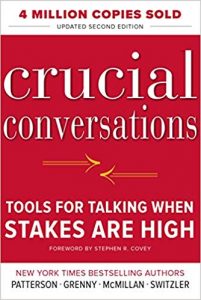
For help having tough conversations: Crucial Conversations, by Kerry Patterson, Joseph Grenny, Ron McMillan, and Al Switzler
How can listeners find you?
Website: www.beyondthedollar.co
Instagram: @beyondthedollar
Free course: Beyondthedollar.co/writing