
 As an investor, you might face a tough decision: is it a smarter move to pay off your mortgage, invest, or just save in general?
Besides, who wants to pay a monthly installment for the mortgage if you can pay early and be relieved?
The answer is it depends. There needs to be a good understanding of what you are trying to achieve, your financial habits, retirement plans, and investments to decide on the best possible option.
Numerous factors need to be taken into consideration before deciding where and how you want to manage your available funds.
Furthermore, it is necessary to identify potential risks and rewards based on your unique situation.
Here are the factors that need to be taken into consideration before deciding on the most appropriate option:
Is it better to pay off my mortgage early or invest?

Well, personally, I believe investing in real estate is the best option. In fact, that is what I did!
I quit my job because I didn’t pay off my mortgage but bought rental properties instead.
Also, I even took more money out of my property to buy even more investments!
You can find out all about it here: www.MasterPassiveIncome.com
I’ll even give you a free real estate investing course to get you started.
Get it here: www.MasterPassiveIncome.com/freecourse
Will the investment options reap better opportunities?
The first and most important thing that needs to be considered is the interest rate. The interest rate of the mortgage should be less than that of returns from other investments.
If the returns from the investment can be estimated to be higher than the interest rate of the debt, then the savings should be invested. However, if the return does not outperform the interest rate of the mortgage, then the savings should be directed to paying debt first.
How to Quit Your Job with Passive Income
Get the Best Selling Book FREE!

Another thing to consider about the interest rate is that if the interest rate is higher than the investment return, you may want to consider refinancing to get a lower rate.
Whichever option you pick, there are equal risks. There is a risk of your investments not giving you adequate returns. No one can give a guarantee on real estate either, which can fall anytime and leave you with a significant loss.
What is the condition of the economy?
The condition of the economy plays a big role in financial decisions.
Is the economy booming, is it in a recession, or is it somewhere in between? Some knowledge of the market is essential if you are an investor or taking out loans/mortgages. Inflation and deflation can put you in an unstable economic condition.
Normally, people have the temptation to invest their money when the economy is doing really well and sell their investments when the market is going down.
However, big businesses save up as many liquid assets as they can during an economic boom along with investing some so that they can survive the recession.
Hence, saving up during a recession and paying your debt during an economic boom is preferable. This gives you an opportunity to invest when the share prices are lower—i.e., during the time when the economy is not at its peak—which allows you to invest less for larger returns later.
What are your earning expectations and mortgage specifications?
People with constant earnings throughout the years can pay their mortgage at the same pace as it is in its contract.
However, it’s wiser to pay off your mortgage as early as possible if you are expecting a change in your earning capability, especially during retirement when the earnings are expected to decrease. The more time that is taken, the more interest you pay.
On the other side, if the mortgage terms discourage you to pay the mortgages early by charging extra fees, then the financial implications of it should be examined properly.
Similarly, if you have $5,000 as your monthly income but hardly save after paying all of your bills, it is impossible for you to invest.
Advantages of Investing Over Early Mortgage Payments
 Advantages of Investing Over Early Mortgage Payments
Better financial position in the future
First, if you simply invest the amount rather than paying up the debt, you have a greater chance to put yourself in a better position in the future.
Allows you to stay ahead of inflation
Inflation is the general increase in the prices of goods, which reduces the purchasing power of the money over time. The only way to keep the value of money constant or increase it over time is to invest in the right time, rather than pouring your cash to clear debts too early.
Helps build wealth
If you save money in the bank, it will increase from the interests over time. But if you invest the same money, it will normally provide you with returns higher than the bank interest.
Disadvantages of Investing Over Early Mortgage Payments
No guarantee of return
Investing doesn’t guarantee a 100% greater return. At times, investments give little to no return at all. Investors may have to bear the loss if the investment decisions are not proper.
Therefore, paying off your mortgage when you have enough cash could be a better idea.
Idle cash
Sometimes, looking at the factor conditions, it might be wiser to hold the cash until it is the right time to invest. There are cases evident in history where the economy doesn’t improve for a long time, freezing a large amount of finance.
That amount can instead be used to pay off debts or mortgages or fulfill other financial obligations.
Tax inefficiency
Investments in shares and bonds are subject to capital gains tax. Although some portion of the dividend is tax-deductible, it isn’t enough to exploit the loopholes that the tax code offers.
On the other hand, mortgage payments are tax-deductible. From this perspective, mortgage payments are more tax efficient.
Credit score
While the investments will not directly impact your credit score, bad investment decisions do because making a good investment is a part of good financial health.
Most of the time, people invest in large projects using debt. For some reason, you may not be able to make an informed decision on the investment, which results in a bad credit score.
Of your credit score, 30% of it depends on how much you owe to your lenders, and 35% of it depends on how timely you pay your bills. Therefore, directly or indirectly, investments do might affect your credit score.
Is it better to pay off your mortgage early or save your money?
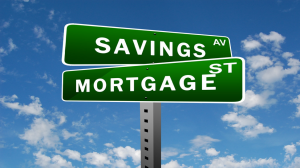 Is it better to pay off your mortgage early or save your money?
Will the early payment of a mortgage tie up all of your cash?
There are other specifics that need equal consideration before deciding to pay off mortgages early. One should not forget to look at the liquidity.
For example, is it the only mortgage you have that you need to pay back? Does your emergency fund have enough cash? Do you have a retirement service?
If the answer to all of the above-mentioned questions is “yes,” then the savings can be directed toward investment. If not, the focus should be on clearing your debt first.
There might be other nonfinancial factors to think about too.
How much do you value your harmony of mind?
The benefits of paying off your mortgage cannot always be measured in financial terms. Sometimes, it’s just about the peace of mind. Because simply being free of debt as early as possible feels great!
What happens when you pay off your mortgage?
A mortgage is a legal agreement between a bank or financial institution that lends money at interest, taking the title of the debtor’s property until the debt is paid off.
There are many possibilities and benefits you can reap when you pay off your mortgage early:
Benefits of Paying Off Your Mortgage Early
Free cash for the future
Near retirement, your earnings are expected to change, and it makes more sense to clear up the debt so that more cash is free for when unexpected expenses come your way.
Increased investment through interest saving
Paying off debt earlier saves the amount generally paid as interest, which can be invested to generate more returns.
Paying your mortgage earlier also means interest is charged in a smaller principal amount. First, it saves the interest payment that was due over the years. Second, less interest is payable in later years of debt.
Investment in more risky or less risky investments
It is up to you to decide if you want to invest in a more risky investment or a less risky one. Either way, there is greater liberty to invest after you have paid off debt.
How to Quit Your Job with Passive Income
Get the Best Selling Book FREE!
Enjoy peace of mind
For many people, simply paying back the mortgage gives peace of mind, and they will have one less thing to think about.
Drawbacks of Paying Off Your Mortgage Early
Liquidity issues
If you decide to pay your debts first, you have no investment to make on other opportunities that might provide you with greater returns.
No longer eligible for tax benefits
Most mortgages are tax-deductible during income tax assessment. By paying off mortgages, you are no longer eligible for that tax benefit.
Cash for an emergency
It’s harder to sell your home if you need the cash for an emergency. This happens because it ties up a good amount of finance that you might need to access later.
No guarantee for real estate drops
Paying your mortgages ties up a lot of liquid assets. There is a risk of the market dropping, and you may not realize as much return as you expected from your property.
List of easy ways to pay off your mortgage early
Pay off high-interest debt first
If you have more than one debt, it is wise to pay off the debts that have a higher interest rate and are not tax-deductible first. By doing this, you will save up interest amounts from higher debts such as credit cards to pay for lower interest, tax-deductible mortgages.
Build up your emergency fund
Before deciding to pay off your mortgage early, make sure you have your emergency fund available to access funds during times of need because the mortgage ties up a chunk of your liquid assets.
Refinance
You can refinance your mortgage to shorter term loans or refinance by negotiating a lower interest rate. For example, if you have a mortgage for 40 years, you can reduce it to 20 years. Doing this, you will be off debt sooner, and you will save thousands of dollars on interest outflow every year.
Consider a little extra payment each month
By simply paying extra every month, you can reduce the time it takes to pay off your mortgage.
Check on pre- and post-payment penalties
If the terms of your contract charge you an extra fee if you pay the mortgage off early, running numbers to check if you are still ahead after paying the penalty is recommended.
Final Thoughts
You should always seek to maximize the best use of your finances to fulfill short- and long-term financial goals.
How you do that all depends on what works best for the circumstances you are in.
It also depends on individual perspectives and attitudes. Some people may want to save money in the bank, some may prefer investing, and some may be better off after paying the debt off first.
Therefore, it is wiser to take expertise, experience, and knowledge that suits your unique situation to make the best and informed investment decision.
You can meet proper money management goals by saving or managing debt and investments. A proper financial decision can increase your wealth in various ways, which can then be used to fulfill your other financial goals.